
15 Apr, 2026
Is the Bab-el-Mandeb Strait Next After the Strait of Hormuz?
The 2025-2026 fishing season, which began on September 1, 2025, will conclude across all seas in Turkey as of April 15, 2026. This suspension, implemented regularly every year to protect aquatic resources, enable the ecosystem to regenerate, and support biodiversity, will continue uninterrupted until September 1, 2026. At Esenyel Partners, with our profound experience in maritime law and fisheries legislation, we would like to emphasize the significance of this critical period for both the fishing industry and the legal landscape.
The fishing ban enforced in our seas is not merely an ecological necessity but also a strict requirement of the “sustainability” principle, which is one of the fundamental pillars of national and international maritime law. This delicate period between April 15 and September 1, encompassing the reproduction, growth, and migration cycles of fish populations, is of vital importance for the continuity of marine species. The 2026 fishing ban regulations ensure the preservation of the ecosystem’s balance while simultaneously establishing the legal guarantee for the sector’s future commercial activities.
The unregulated intensity of industrial fishing activities can inflict irreversible damage and severe pressure on the species diversity within our seas. The fishing ban period prevents overfishing through legal boundaries, allowing the marine habitat to rest. As Esenyel Partners, we believe that the regulations associated with the Fisheries Law, which forms the legal foundation of environmental sustainability, act as the strongest shield in protecting biodiversity, and we strongly advise all industry stakeholders to strictly adhere to these rules.
The fishing ban at sea is not an absolute restriction that completely and unconditionally halts all fishing activities; rather, it is executed within specific legal frameworks, quotas, and exemptions. As a rule, this ban targets large vessels with industrial capacity. For the accurate interpretation of the legislation and the secure continuation of commercial activities within legal boundaries, it is of paramount importance that companies clearly understand the scope of the ban and the conditions for exemption.
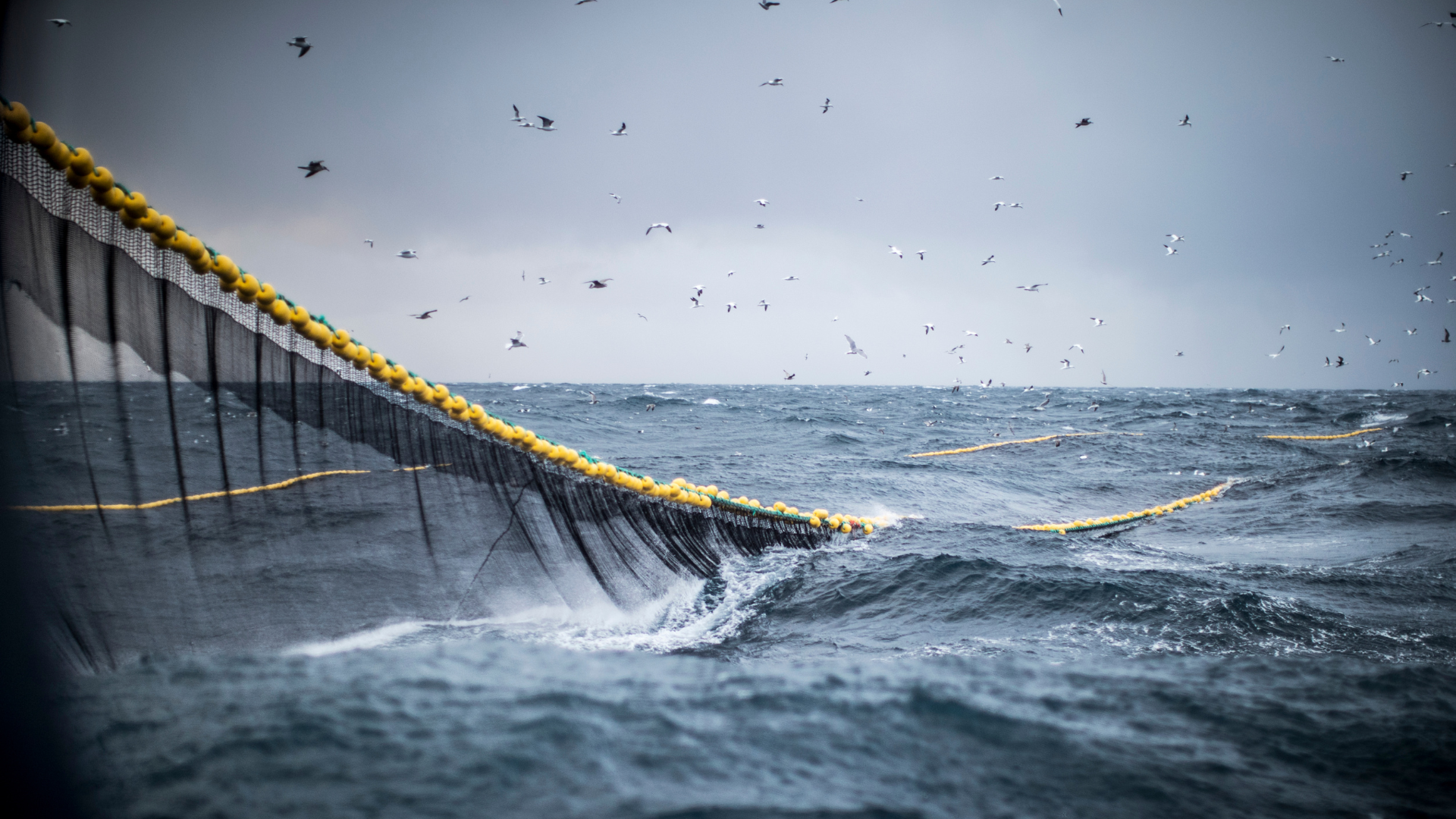
The fisheries ban, effective as of April 15, 2026, is primarily binding for fishing vessels engaged in industrial fishing using purse seines and trawl nets. Considering the potential damage such high-capacity commercial fishing gear can cause to the seabed and juvenile populations, a strict legal restriction has been imposed on the use of relevant equipment. During this period, it is imperative that shipowners and operators suspend their activities and comply with legal procedures.
Within the fisheries legislation, there is a highly significant legal exemption to prevent disruption to economic life and the local food supply chain. Small-scale fishermen engaged in coastal fishing with vessels under 12 meters in length are legally exempt from this general fishing ban. Consequently, throughout the summer months, fresh fish caught by coastal fishermen and aquaculture products (such as sea bass, sea bream, etc.) will continue to be offered to consumers in compliance with legal standards at the fish markets.
Violations of the sea fishing ban regulations are subject to severe legal sanctions in accordance with the Fisheries Law No. 1380 and related regulations. As a result of strict inspections conducted by the Ministry of Agriculture and Forestry and Coast Guard teams, substantial administrative fines are imposed on natural and legal persons who fail to comply with the ban. Furthermore, in the event of a rule violation, profound penal sanctions are enforced, ranging from the confiscation of the harvested products, fishing gear, and equipment with a decision to transfer ownership to the public, up to the cancellation of licenses.
Maritime commercial law and fisheries legislation possess a highly dynamic, open-to-interpretation, and multi-layered legal structure. It is a legal obligation for companies to fully comply with existing regulations to maintain their commercial continuity. Actions contrary to the legislation are not limited solely to financial penalties but are also capable of directly damaging companies’ commercial reputations and operational licenses.
We hope that the sea fishing ban period, which commences with the closure of the 2025-2026 fishing season, will bring a fruitful period of renewal for all industry stakeholders and our seas. You may contact Esenyel Partners to receive comprehensive and professional legal consultancy on fisheries law, your legal rights at sea, objection processes to administrative fines, customs procedures, or compliance with general maritime trade legislation. Our expert team of lawyers is ready to be your solution partner in all your legal processes.
Your personal data; protecting the privacy of visitors to the website (www.esenyelpartners.com), operated by Company Name (“COMPANY” or “Esenyel Partners” as it will be referred to), as the data controller, is one of the leading principles of our Institution. This Cookie Usage Policy (“GDPR”) explains to all our website visitors and users under what conditions and which types of cookies are used.
Cookies are small text files stored on your device or network server by the websites you visit via your computer or mobile device.
They are generally used to provide you with a personalized experience while using the website, improve the services offered, enhance your experience, and contribute to ease of use while navigating a website. If you do not prefer the use of cookies, you can delete or block cookies from your browser settings. However, we would like to remind you that this may affect your use of our website. Unless you change your cookie settings from your browser, we will assume that you accept the use of cookies on this site.
Depending on the type of cookies used on websites, data regarding your browsing and usage preferences on the device from which you visit the site is collected. This data includes information about the pages you access, the services and products you review, your preferred language selection, and other preferences.
Cookies are small text files stored on your device or network server by websites you visit via browsers. These small text files containing your preferred language and other settings help remember your preferences on your next visit and enable us to improve our services to enhance your experience on the site. Thus, you can have a better and more personalized user experience on your next visit.
The primary purposes of using cookies on our website are listed below:
Session cookies ensure the proper functioning of the website during your visit. They are used for purposes such as ensuring the security and continuity of our sites and your visit. Session cookies are temporary cookies that are deleted when you close your browser and revisit our site; they are not permanent.
These types of cookies are used to remember your preferences and are stored on your device via browsers. Persistent cookies remain even after you close your browser or restart your computer. These cookies are stored in the subfolders of your browser until they are deleted from your browser settings.
Certain types of persistent cookies can be used to provide personalized recommendations based on factors such as the purpose of your use of the website.
Thanks to persistent cookies, when you revisit our website with the same device, it checks whether a cookie previously created by our website exists on your device. If it does, it is understood that you have visited the site before, and the content presented to you is determined accordingly, providing you with better service.
These are cookies necessary for the proper functioning of the website you visit. The purpose of these cookies is to provide the required services by ensuring the functionality of the site. For example, they allow access to secure areas of the website, enable you to use its features, and facilitate navigation.
These cookies collect information about how the website is used, the frequency and number of visits, and how visitors access the site. The purpose of using these cookies is to improve the functioning of the site by enhancing its performance and determining the general trend direction. They do not contain data that can identify visitor identities. For example, they indicate the number of error messages displayed or the most frequently visited pages.
These cookies remember the selections made by visitors on the site for their next visit. The purpose of these cookies is to provide convenience to visitors. For example, they prevent the user from having to re-enter their password on each page they visit.
These cookies measure the effectiveness of the ads presented to visitors and track how many times an ad is displayed. The purpose of these cookies is to provide visitors with advertisements tailored to their interests.
Similarly, they identify visitors’ areas of interest based on their browsing activities and present appropriate content. For example, they prevent an advertisement shown to a visitor from being displayed again in a short period.
To change your preferences regarding the use of cookies or to block or delete cookies, you need to change your browser settings.
Many browsers allow you to control cookies by offering options to accept or reject cookies, accept only certain types of cookies, or be notified when a website requests to store cookies on your device.
It is also possible to delete previously stored cookies in your browser.
If you disable or reject cookies, you may need to manually adjust some preferences, and some features and services on the website may not function properly because we will not be able to recognize and associate your account. You can change your browser settings by clicking the relevant link in the table below.
The Website Privacy Policy is dated 10/10/2024. If the entire policy or specific articles are updated, the effective date of the policy will be updated accordingly. The Privacy Policy is published on the Institution’s website (www.esenyelpartners.com) and is made available to personal data owners upon request.
Company Name: Esenyel Partners
Address: Levent Mah. Sümbül Sok. No: 61 34330 Beşiktaş, Istanbul – Turkey
Phone: +90 506 792 7690
E-Mail: info@esenyelpartners.com
Website: www.esenyelpartners.com